Skip to content

Product Blog

Advancing GPU Scheduling and Isolation in Kubernetes

KubeCon + CloudNativeCon Europe 2026, Amsterdam


At KubeCon Europe 2026, NVIDIA made a set of significant open-source contributions that advance how GPUs are managed in Kubernetes. These developments span across: resource allocation (DRA), scheduling (KAI), and isolation (Kata Containers). Specifically, NVIDIA donated its DRA Driver for GPUs to the Cloud Native Computing Foundation, transferring governance from a single vendor to full community ownership under the Kubernetes project. The KAI Scheduler was formally accepted as a CNCF Sandbox project, marking its transition from an NVIDIA-governed tool to a community-developed standard. And NVIDIA collaborated with the CNCF Confidential Containers community to introduce GPU support for Kata Containers, extending hardware-level workload isolation to GPU-accelerated workloads. Together, these contributions move GPU infrastructure closer to a first-class, community-owned, scheduler-integrated model.

From Docker Image to 1-Click App: Enabling Self-Service for Custom Apps

In the Developer Pods series (part-1, part-2 and part-3), we made a simple point: most users do not want infrastructure. They want outcomes.

They do not want tickets. They do not want YAML. They do not want to think about pods, namespaces, ingress, or DNS. They want a working environment or application, available quickly, through a clean self-service experience. That was the core theme behind Developer Pods: Kubernetes is a powerful engine, but it should not be the user interface.

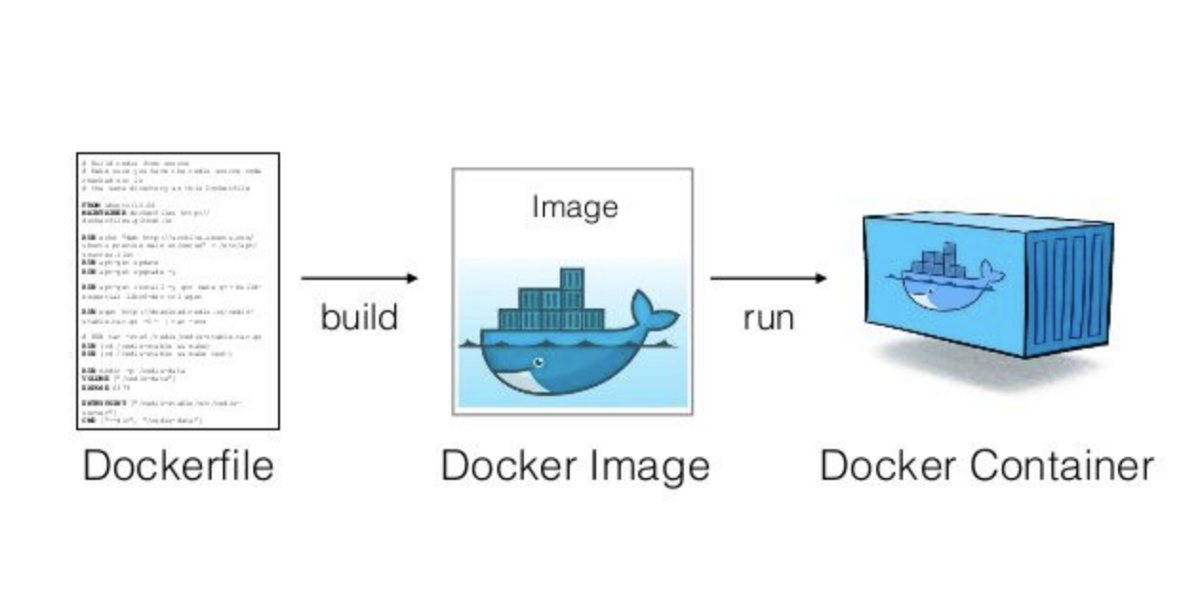
The next step is just as important: letting end users deploy applications packaged as Docker containers into shared, multi-tenant Kubernetes clusters with a true 1-click experience.

Rafay’s 3rd Party App Marketplace is designed for exactly this. It allows providers to curate and publish containerized apps from Docker Hub, third-party vendors, or open-source communities, package them with defaults, user overrides, and policies, and expose them as a secure, governed self-service experience for users across multiple tenants.

Docker App

Adding New Language Support to the Self Service Portal in 5 Mins

GPU Cloud Providers and enterprises serving a global user base need the end user facing Self Service Portal to speak their end users' language — literally. If you're serving AI researchers in Paris, data scientists in Montreal, or ML engineers across Francophone Africa, offering the portal in French is a powerful way to reduce friction and make GPU consumption feel native.

The Rafay Platform's Language Customization feature makes it straightforward for admins to add French (or any other language), customize translations, and give end users the ability to switch languages on their own. In this post, we'll walk through the entire process of adding French to the Self Service Portal — from configuring the default locale to verifying the end user experience.

New Language

Developer Pods for Platform Teams: Designing the Right Self-Service GPU Experience

In Part 1, we discussed the core problem: most organizations still deliver GPU access through the wrong abstraction. Developers and data scientists do not want tickets, YAML, and long provisioning cycles. They want a ready-to-use environment with the right amount of compute, available when they need it.

In Part 2, we looked at what that self-service experience feels like for the end user: a familiar, guided workflow that lets them select a profile, launch an environment, and SSH into it in about 30 seconds.

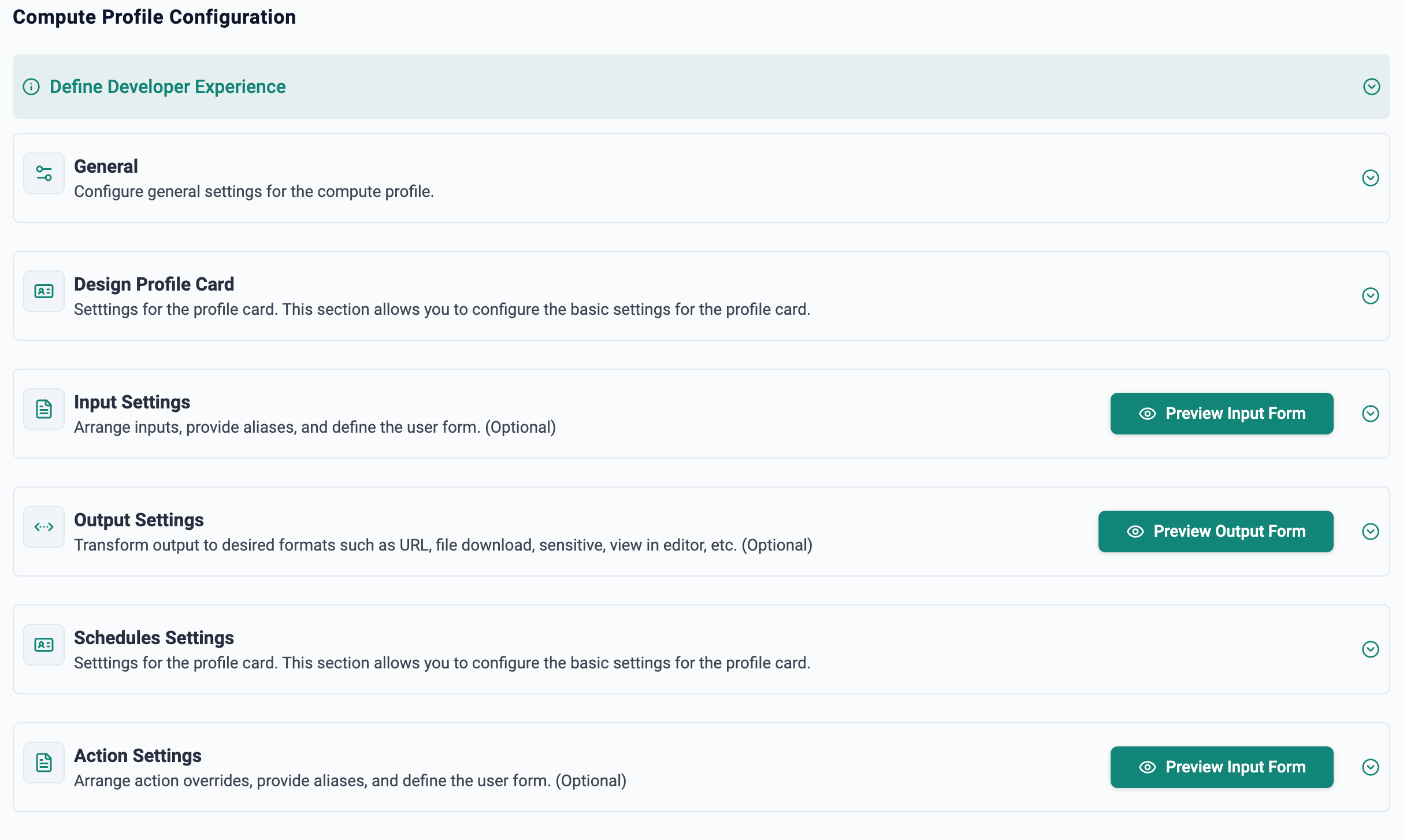
In this part, we shift to the other side of the experience: how platform teams design that experience in the first place. Specifically, we will look at how teams can configure and customize a Developer Pod SKU using the integrated SKU Studio in the Rafay Platform.

SKU in Rafay Platform

Flexible GPU Billing Models for Modern Cloud Providers — Powering the AI Factory with Rafay

The GPU cloud market is evolving fast. At NVIDIA GTC 2026, one theme rang loud and clear: enterprises are no longer experimenting with AI, they are committing to it at scale. Training frontier models, fine-tuning domain-specific LLMs, and running large-scale inference workloads on NVIDIA gear require sustained, predictable access to high-end GPU infrastructure. That kind of commitment demands a billing model to match.

If you are running a GPU cloud business, you already know that a simple pay-as-you-go model doesn't cut it anymore. Your enterprise customers want options and your ability to offer those options is a direct competitive advantage. That's where Rafay comes in.

Developer Pods: A Self-Service GPU Experience That Feels Instant

In Part 1, we discussed the core problem: most organizations still deliver GPU access through the wrong abstraction. Developers do not want tickets, YAML, and long wait times. They want a working environment with the right tools and GPU access, available when they need it.

In this post, let’s look at the other half of the story: the end-user experience. Specifically, what does self-service actually look like for a developer or data scientist using Rafay Developer Pods?

The answer is simple: a familiar UI, a few guided choices, and a running environment they can SSH into in about 30 seconds.

New Developer Pod

Instant Developer Pods: Rethinking GPU Access for AI Teams

It's the week of KubeCon Europe 2026 in Amsterdam. Much of the conversations will be about Kubernetes, AI and GPUs. Let's have a honest discussion.

We are in 2026 and we’re still handing out infrastructure like it’s 2008. The entire workflow is slow, expensive and wildly inefficient. Meanwhile, your most expensive resource—GPUs—sit idle or underutilized.

The way most enterprises deliver GPU access today is completely misaligned with how developers and data scientists actually work. A developer wants to:

  • Run a PyTorch experiment
  • Fine-tune a model
  • Test a pipeline

What do they get instead?

A ticketing system with a multi day wait time and then finally a bloated VM or an entire bare-metal GPU server

There has to be a better way. This is the first part of a blog series on Rafay's Developer Pods. In this, we will describe why and how many of our customers have completely transformed the way they deliver their end users with a self service experience to GPUs.

Dev Pod

No More SSH: Control Plane Overrides for Rafay MKS Clusters

Customizing a Kubernetes control plane has always been an uncomfortable exercise. You SSH into a master node, carefully edit a static pod manifest, and then hope nothing breaks. With our latest release, we are replacing that workflow entirely. Control Plane Overrides give you a safe, declarative way to customize the API Server, Controller Manager, and Scheduler for MKS (Managed Kubernetes Service) clusters — Rafay's upstream Kubernetes offering for bare metal and VMs — directly from the Rafay Console or cluster specification.

Accelerating the AI Factory: Rafay & NVIDIA NCX Infra Controller (NICo)

Acquiring GPU hardware is the easy part. Turning it into a productive, multi-tenant AI service with proper isolation, self-service provisioning, and the governance to operate it at scale is where most get stuck. Custom integration work piles up, timelines slip, and the gap between racked hardware and revenue widens.

Rafay is closing that gap through a new integration with the NVIDIA NCX Infrastructure Controller (NICo), NVIDIA's open-source component for automated bare-metal lifecycle management. Together, Rafay and NICo give operators a unified platform to manage their GPU fleet to deliver cloud-like, self-service experiences to end users.

Stop Paying for Resources Your Pods Don't Need

If you manage Kubernetes infrastructure at scale, you already know the pattern. Development teams request CPU and memory "just to be safe." Nobody wants their app to OOM. Nobody wants to get paged at 2am because a pod got throttled. So requests get padded and they stay padded.

The result? Clusters are full of pods consuming far less than what they've been allocated. Nodes are running hot on paper but idle in practice. And the platform team responsible for cost governance across dozens of clusters, projects, and namespaces has no easy way to prove it.